
The Harmonious Fusion of Form and Function in Modern Architecture
Modern architecture blends aesthetics with functionality, creating spaces that inspire and serve. The interplay of light and materials shapes experiences and enhances the environment. This article explores key principles of contemporary design and their impact on urban living.
One essential element is sustainability. Architects are increasingly designing buildings that minimize environmental impact through energy-efficient systems and sustainable materials. The aim is to create spaces that harmonize with their surroundings.
“Good architecture is like a good book; it tells a story and evokes emotions.” — Renowned Architect
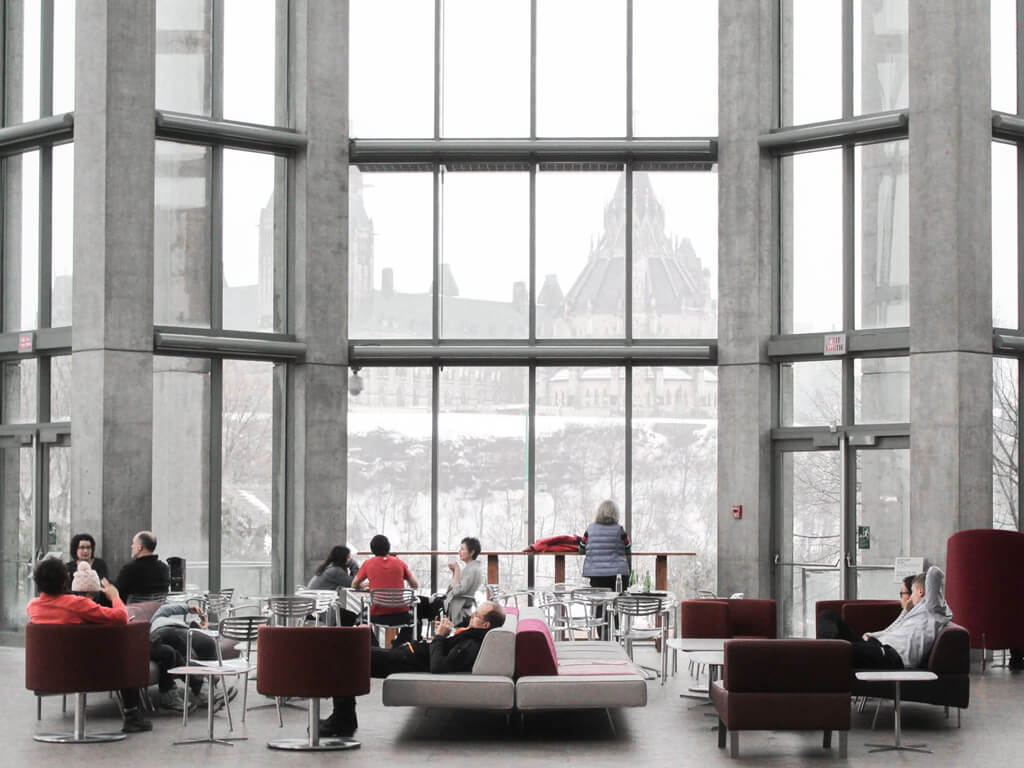
In addition to sustainability, the importance of community integration cannot be overstated. Architects strive to create public spaces that foster interaction and connectivity among residents, enhancing the urban fabric.
The Role of Technology in Architectural Innovation
Technological advancements, such as Building Information Modeling (BIM) and 3D printing, are revolutionizing design processes. These tools allow for greater precision, collaboration, and creativity in constructing complex structures. As technology evolves, so too does the potential for architectural expression.
Future Trends: Biophilic Design and Smart Buildings
Looking ahead, biophilic design—integrating natural elements into buildings—promises to enhance well-being. Coupled with smart technology, buildings can adapt to user needs, creating more responsive and livable environments. The future of architecture is not just about creating shelters but about enriching lives.
This holistic approach will define the next era of architectural innovation, merging form, function, and sustainability.








Georgia Reader Reply
Fascinating insights! The emphasis on sustainability is crucial for future developments. Excited to see how technology will shape our living spaces.